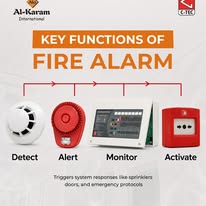
Explore conventional fire alarm systems in Pakistan with C-TEC product references. Discuss zones, compatible devices and quotations with AKI Groups.
A conventional fire alarm system groups detection devices into circuits associated with defined building zones. When a device activates, the panel indicates the affected zone so the building team can follow its response procedure. AKI Groups supports conventional fire alarm system enquiries in Pakistan through its existing C-TEC equipment references. Send your zone plan, building use and device schedule to discuss a coordinated equipment proposal. Panel, detector and sounder choices should follow the complete system design.
Conventional Fire Alarm Systems in Pakistan Overview
This page covers the conventional system arrangement rather than a panel alone. Fire Alarm Control Panels covers control equipment, while Addressable Fire Alarm Systems covers individually addressed devices. Conventional zone indication usually identifies an area rather than a unique detector. A clear zone plan and suitable response procedure remain essential. AKI publishes C-TEC panel and field-device references; the manufacturer publishes CFP conventional systems. Confirm the exact proposed equipment and availability before ordering.
Solution Scope
Systems and Product Requirements
Control panel: receives zone signals and provides the alarm, fault and control functions specified for the selected panel
Detection circuits: connect compatible smoke or heat detectors and manual call points in the approved arrangement
Warning circuits: connect compatible sounders and any separately specified visual alarm devices
Standby power: select batteries from the actual panel and device load calculations
Interfaces and documentation: define required outputs, circuit records and the operating instructions for the building team
Applications and Project Context
Conventional detection can be considered for commercial premises, offices and managed buildings where zone-based identification meets the approved requirement. Refurbishment projects need a review of existing cables, device references and the condition of retained equipment. Industrial spaces need an environmental assessment before detector selection. Building size alone does not determine whether conventional or addressable technology is appropriate; the location information, interfaces and expansion requirements also matter.
Industries
Where These Requirements Apply
Commercial offices and retail premises
Managed and institutional buildings
Building refurbishment and compatible system replacement
Selection Factors
Information to Review Before Selection
Approved zone plan and detector coverage requirements
Number of detection zones and planned future changes
Detector, base and call point compatibility with the exact panel
Sounder loading, cable voltage drop and warning requirements
Standby battery calculations and power supply requirements
External interfaces, alarm sequence and documentation scope
Discuss Your Project With AKI Groups
Request a quotation with drawings, the zone schedule, device quantities and any existing model references. C-TEC currently lists CFP Standard panels in 2, 4 and 8 zone versions, each with four conventional sounder circuits. Its published features include class-change and alert inputs, fire and fault relays, and keypad or keyswitch entry. These are named manufacturer-family references, not features promised for every panel or confirmation of local stock. Ask the offer to identify the exact panel, accessories, batteries and agreed supply or project services.
Provide zone-based alarm indication for the planned building areas
Organise detectors and manual alarm devices within a documented design
Coordinate warning circuits and connected equipment
Compare proposals against a consistent zone and device schedule
FAQs
Common Questions
How does a conventional fire alarm system identify an alarm?
The panel indicates the affected detection zone. The zone plan and building response procedure help the responsible team locate and investigate the alarm. Individual device identification should not be assumed.
Which C-TEC conventional systems can I enquire about?
AKI publishes C-TEC equipment references, and C-TEC lists CFP Standard conventional panels. Request the complete offered panel reference, compatible device schedule and current availability.
Is a two-wire system identical to a standard conventional system?
No. A two-wire system may use a specific compatible device arrangement. Do not interchange panel variants, detectors or sounders without checking the manufacturer documentation.
Can existing detectors be retained when replacing a panel?
Retention depends on documented compatibility, device condition, wiring and the revised design. Provide all existing references before deciding what can remain.
What affects conventional fire alarm system pricing in Pakistan?
Zones, detector and call point quantities, warning devices, cabling, standby power and agreed services affect the cost. A drawing-based equipment schedule supports a useful quotation.
Discuss Your Conventional Fire Alarm Systems in Pakistan Requirement
Share your project location, drawings, equipment schedule, and intended scope. Contact AKI Groups to discuss selection, sourcing, and coordination needs for your project.
Keep Zones, Devices and Project Responsibilities Coordinated
A conventional fire alarm enquiry should identify the building and explain whether the requirement is new work, a replacement or an extension. Provide the available plans and device schedule so the responsible specialist can review the system arrangement in context. Describing a requirement only by the number of panel zones leaves important parts of the scope unresolved.
For an existing installation, record the panel and connected device references where they are known. The proposal should address compatibility and the work required to maintain a coherent system. A product family name does not establish that every detector, base, warning device or interface can be connected in the intended way.
Ask for equipment supply, installation, specialist design work, testing and handover to be distinguished in the quotation. Any assumptions about existing cabling or retained devices should be visible for review. The aim is a clear project brief and an appropriately assessed proposal, rather than a generic package assembled around a headline panel description.
Retain the final equipment schedule and the documentation agreed with the responsible team. Those records support future maintenance and help explain the installed configuration when changes are considered later.
Keep the Accepted Configuration Traceable
Where several document revisions exist, ask the responsible team to identify the current system schedule. A replacement decision should refer to the equipment actually installed and the intended change, not simply an earlier catalogue retained under the same manufacturer name.