
Power Planning & Pre-Feasibility Studies
Plan power projects with clearer numbers, practical site inputs, demand review, cost expectations, and early risk guidance before major project commitments are made.
For fire protection service enquiries, visit Fire & Safety at firesafetys.com. Confirm the required project scope directly with the provider.
Fire & Safety: Hydrant and Sprinkler Services (external)Explore AKI Groups services for power planning, technical coordination, engineering design, procurement, construction, commissioning, maintenance, and project management.
Plan power projects with clearer numbers, practical site inputs, demand review, cost expectations, and early risk guidance before major project commitments are made.

Reliable engineering, design, and surveying support for power, infrastructure, buildings, utilities, and industrial works where accurate field information matters.

Source, procure, fabricate, and coordinate technical products with a stronger focus on quality, supplier reliability, project requirements, and timely delivery.

Manage construction, installation, testing, commissioning, and handover with coordinated teams, clear responsibilities, and practical site-level execution.

Keep projects and installed systems performing through structured project management, operations planning, preventive maintenance, and responsive support.
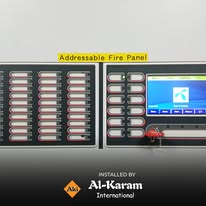
Discuss fire alarm installation in Islamabad with AKI Groups. Share drawings for detector layouts, panel selection, cabling and testing scope enquiries.

Discuss CCTV installation in Rawalpindi with AKI Groups. Plan camera positions, recording, cabling and project scope for your business or facility.
How We Work
Our service approach is built around practical communication and dependable execution. We help clients define the requirement, review technical options, coordinate procurement, manage site work, and keep support available after handover.
Early planning and technical review
Procurement and execution coordination
Maintenance and after-sales support
Engineering and EPC enquiries can begin at very different project stages. Some clients need help understanding a site or comparing early options, while others already have a specification and need a defined procurement or delivery discussion. The services section helps distinguish those starting points so a requirement is not forced into a generic package before its purpose is clear.
Start by explaining what you need to decide or deliver. Identify the project location, the information already available and the people responsible for technical and commercial review. A concise brief makes it easier to identify the relevant service page and discuss the inputs needed for an appropriate proposal.
Power planning and pre-feasibility discussions focus on the early basis of a proposal. They can involve demand information, site conditions, technical options and the questions that need investigation before a larger commitment. The useful output is a clearly described basis for the next decision, with assumptions and limitations made visible.
Project documentation and coordination connect the technical brief with the information needed for procurement and execution. A practical document package identifies the current drawings, equipment requirements, responsibilities and questions that still need review. Clearly described inputs help the engineering and procurement participants work from the same basis. Keep revisions visible and identify who reviews each output before it is used for the next project stage.
Engineering and surveying enquiries should identify the deliverable required and the decision it will support. Available drawings, site information and discipline interfaces provide a starting point for review. Where information is missing, the appointment should explain what investigation or clarification is proposed rather than treat an assumption as an established site fact.
Ask for the status and intended use of each output to be clear. Concept information, coordination drawings and documents accepted for construction serve different purposes. Controlled revisions and agreed review responsibilities help keep a project aligned when several disciplines rely on the same information. The detailed engineering service page provides a more focused starting point for these enquiries.
A procurement request should identify the actual equipment, material or fabricated item, the required quantity and the specification against which it will be assessed. A broad manufacturer preference can be useful context, but it does not replace an identifiable equipment schedule. Alternatives should be named and explained so technical and commercial reviewers can understand the differences.
Keep supply and site work separate unless the proposed scope explicitly brings them together. Manufacturing, delivery, installation and specialist assessment can involve different responsibilities. The accepted offer should identify the business making the commitment, the items included and the supporting information required. This helps the buyer compare proposals on the same basis instead of choosing between packages with uncertain boundaries.
Construction and commissioning discussions need a defined work area, relevant drawings and an explanation of site readiness. Identify what other contractors must provide and which access restrictions affect the proposed activities. An occupied building, a new development and a replacement installation can require different coordination even when the same equipment category is involved.
The completion basis should be understandable before the work starts. Ask which inspections, tests, records and handover documents form part of the appointment and who accepts them. A general statement that equipment will be installed does not explain every activity needed to prepare it for its intended use. The detailed construction and commissioning page helps clients frame those scope questions.
An ongoing service enquiry should identify the assets or project responsibilities involved. Existing equipment records, current operating arrangements and the reason for seeking support are useful inputs. Distinguish routine planning from a specific fault, a replacement requirement or management of a separate construction activity so the proposal addresses the actual need.
Maintenance intervals, response arrangements and spare-parts expectations should be discussed for the relevant equipment and appointment. They should not be assumed from a broad capability description. Ask the proposed scope to explain activities, reporting and responsibilities, and keep it updated if assets or operating conditions change. A clear service boundary supports a more useful long-term discussion.
The website includes local fire alarm and CCTV service references as well as product pages for building systems. Use the service route when the question concerns defined site work or an appointment, and the product route when the immediate need is equipment identification or supply information. The two discussions can be connected without assuming that one automatically includes the other.
Life safety, electrical and other specialist systems need the appropriate professional assessment for the actual project. Product listings and service introductions do not establish a completed design or project acceptance. Provide the relevant specification and existing records so the responsible team can identify the required specialist inputs and the work that is genuinely included in a proposal.
Send AKI Groups the project location, the service area and a concise description of the required output. Identify the drawings, schedules or records already available and explain any important constraints. If several activities are involved, list them separately and indicate which are ready for quotation and which need clarification first.
The next step should connect the enquiry with a clear proposed scope, defined client inputs and relevant supporting documents. Availability, programme and commercial terms need confirmation for the actual assignment. A service page provides the introduction; the written proposal and subsequent agreement establish the responsibilities the client can rely on.