Indoor, outdoor, industrial, road, public-area, and architectural lighting solutions focused on visibility, efficiency, safety, and long service life.
Good lighting improves safety, comfort, and the way a space is used. AKI Groups supports lighting solutions for facilities, roads, campuses, industrial areas, and public projects with attention to brightness, placement, energy use, and maintenance.
Lighting selection should start with what people need to see and how the space is used. Indoor task lighting, architectural effects, and outdoor illumination require different layout and fixture decisions even when they share a product brand.
Solution Scope
Systems and Product Requirements
Indoor commercial and industrial lighting enquiries
Exterior, road, and public-area lighting requirements
Architectural, facade, and landscape fixture coordination
Applications and Project Context
Offices need attention to work areas and glare, retail projects may highlight displays, and exterior sites introduce exposure and access questions. Define the lighting intent and mounting locations before comparing fixtures.
Industries
Where These Requirements Apply
Commercial buildings and retail
Hospitality and architectural projects
Industrial sites and public spaces
Selection Factors
Information to Review Before Selection
Lighting objectives, layout, and relevant project requirements
Fixture distribution, mounting position, and visual comfort
Operating environment and any control or dimming needs
Model-specific lighting data, maintenance access, and replacement planning
Discuss Your Project With AKI Groups
Send plans, fixture schedules, quantities, and the intended lighting effect to AKI. Discuss placement and product coordination, then request the proposed model's data for design review; do not assume output, environmental suitability, or energy savings from a brand name.
Can lighting fixtures be compared by wattage alone?
No. Light distribution, output, mounting, glare, and the intended task also matter. Use the proposed fixture's documentation and project lighting design.
Does an outdoor lighting label suit every exposure?
No. Review the exact model, installation instructions, and site conditions before specifying a fixture for an exterior location.
What helps an architectural lighting enquiry?
Provide elevations or landscape plans, surface details, mounting constraints, and the intended visual effect. Include any approved lighting layout.
Discuss Your Lighting Solutions Requirement
Share your project location, drawings, equipment schedule, and intended scope. Contact AKI Groups to discuss selection, sourcing, and coordination needs for your project.
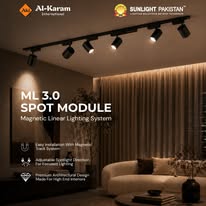
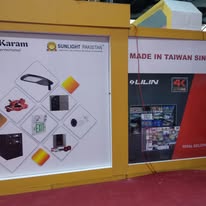
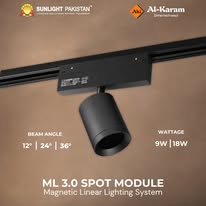
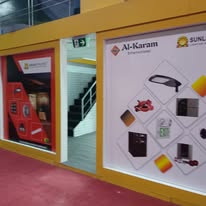
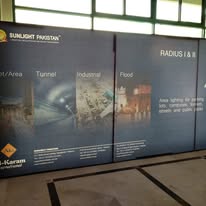
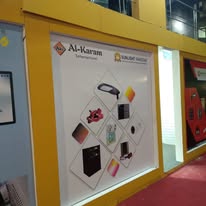
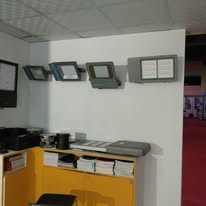
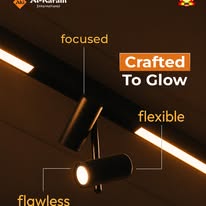
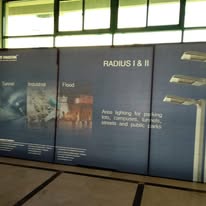
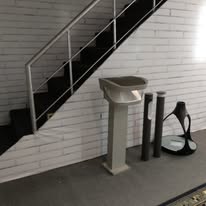
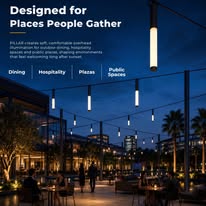
Sunlight Roma LED Street LightSunlight Roma Road LightingSunlight Magnetic Spot Module InteriorSunlight Lighting Products ExhibitionSunlight Magnetic Spot ModuleSunlight Lighting Exhibition BoardSunlight Radius Outdoor Lighting DisplaySunlight Lighting Product Range DisplayLED Floodlight Exhibition ProductsAdjustable Interior Track LightingSunlight Radius Lighting Product RangeOutdoor Lighting Fixture DisplayOutdoor Pendant Lighting Public Spaces
Preparing a commercial lighting solutions Enquiry
A useful discussion of commercial lighting solutions begins with bringing lighting applications, fixture schedules and project coordination into one reviewable brief. The requirement should describe the result the client needs, rather than just name a product category. For interior spaces, outdoor areas, architectural features and circulation routes, a short written brief helps the reviewing team understand which parts of the project are already defined and which questions still need investigation. This also makes it easier to direct the enquiry to the relevant equipment or service page.
Start with the lighting layout, area use, proposed mounting positions, controls brief and any existing fixture schedule. If a document is preliminary, identify its status instead of allowing it to be mistaken for an approved construction requirement. Existing equipment information should include complete references wherever they are available. Clear source information is more useful than several disconnected product photographs, because it gives the proposed offer a traceable basis.
Selection and Site Coordination
The main review should address the intended visual task, fixture arrangement, operating pattern and maintenance access. These considerations belong together: an option that appears attractive in a catalogue may create an unresolved installation or operating question. Explain the actual application and ask the proposal to identify the configuration being offered. Where a specialist design or assessment is required, establish who prepares it and what information the client must provide.
Coordination also needs to cover ceilings, supporting structures, electrical circuits, finishes and lighting controls. Identify the work assigned to other contractors and the information they need from the equipment supplier. An interface left outside everyone's scope can cause delays even when individual products have been selected correctly. For a refurbishment, describe access restrictions, occupied areas and any work that must be completed before equipment can be changed.
Comparing Offers on the Same Basis
One important point is that a fixture image or wattage alone cannot demonstrate the lighting outcome in the actual space. Write the requirement so competing proposals address the same application and scope. Ask each supplier to state the proposed equipment, the included accessories and the assumptions that affect the offer. A shorter list of clearly identified items is usually easier to assess than an apparently complete package with uncertain boundaries.
The supporting submission should include the proposed luminaire schedule, technical information, relevant photometric data and control descriptions. Review document revisions as well as product names. If an alternative is proposed, ask how it meets the relevant requirement and what other changes it introduces. Do not treat an unlabelled alternative, a generic catalogue page or a broad brand reference as confirmation that the equipment offered is identical to the specified item.
Installation, Records and Continuing Use
Before an order is finalised, clarify which fixtures, accessories, control equipment and documentation are included. Discuss the information the client expects to receive, who verifies the agreed scope and which matters remain with the project team. Supply, installation, testing and maintenance are separate responsibilities unless the written offer brings them together. A product category page does not create an automatic commitment to every one of those services.
Keep the approved equipment schedule with the project documents. When a future replacement or extension is considered, those records help the reviewing team understand what was actually proposed and supplied. Any change in application, operating conditions or connected equipment should be explained in the next enquiry. A clear history reduces reliance on assumptions and helps the responsible specialist review the new requirement in context.
Should indoor and outdoor lighting be compared on the same simple specification?
Their applications and installation conditions differ. Establish the purpose and location of each fitting and review the exact proposed product information before comparing offers. For commercial lighting solutions, AKI Groups can use the information in your enquiry to discuss the relevant published references and the proposed next step. Ask for current availability, exact equipment identification and the requested commercial scope to be confirmed in writing. Share the project location and the document package so the enquiry can be reviewed against a practical requirement rather than a category name alone.