DSPPA public address, conference, background music, and audio system solutions for facilities and projects.
AKI Groups supports DSPPA-related audio system requirements for buildings, campuses, public areas, and meeting spaces. We help clients plan speaker coverage, control zones, announcement needs, and integration with the wider facility system.
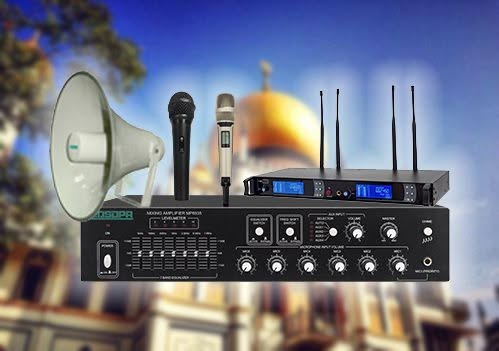
DSPPA conferencing equipment overview featuring microphones, conference units and audio control systems.
DSPPA Overview
DSPPA product references include public-address and conference-audio equipment. An enquiry should define whether the priority is announcements across a facility, speech in a meeting room, or background audio, because each use leads to different system decisions.
Solution Areas
Relevant Solutions and Products
Public-address audio enquiries
Conference microphone and meeting-room requirements
Zoned background-music system coordination
Applications and Selection Considerations
A conference room needs attention to microphone positions and speech intelligibility. A campus announcement system needs zone boundaries and control locations. Large public areas require a layout-based approach to coverage rather than simply adding speakers.
Project Context
Industries and Teams With Relevant Requirements
Corporate offices
Education campuses
Public and hospitality facilities
How AKI Groups Can Support Your Enquiry
Share room layouts, audience areas, announcement zones, microphone positions, and existing equipment. AKI can discuss audio coverage and product coordination; integration, speaker loading, and control arrangements require review for the selected system.
Manufacturer reference: DSPPA product information. This reference does not establish AKI manufacturer authorization or local availability.
How We Help
Practical Support for This Requirement
Public address and audio support
Conference and facility sound systems
Zone planning and system coordination
FAQs
Common Questions
Can one audio layout serve meetings and campus announcements?
The uses should be reviewed separately. They may need different microphones, speakers, control arrangements, and operating sequences.
What helps with a DSPPA upgrade enquiry?
Provide current equipment references, room or campus plans, and the issue to be resolved, such as unclear speech or missing zone control.
DSPPA Gallery
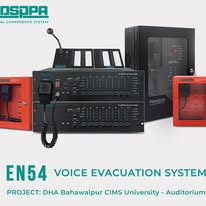
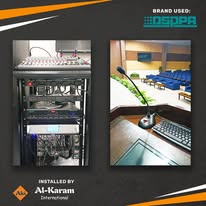
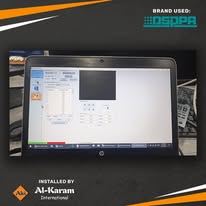
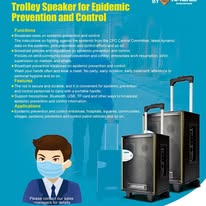
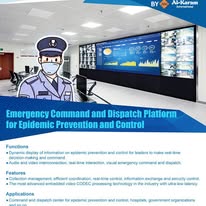
NDMA Auditorium Conference Video Tracking SystemDSPPA Auditorium Audio Equipment RackDSPPA Audio System Software ControlDSPPA Paperless Conference TerminalDSPPA Portable Public Address MegaphonesDSPPA Trolley Public Address SpeakerDSPPA Conference Voice Evacuation ProductsDSPPA Public Address Broadcast SystemDSPPA Portable Announcement SpeakerDSPPA Video Intercom Broadcast SystemDSPPA Video Conference Camera SystemDSPPA Remote Video Conference SystemDSPPA Community Broadcast SystemDSPPA Emergency Command Dispatch PlatformDSPPA Public Address System
Planning a DSPPA Product Enquiry
DSPPA appears within the AKI Groups website as a reference for conference audio and public address systems. This page helps a buyer turn a brand-led request into an identifiable product requirement. It does not establish that every catalogue item is available locally or included in a particular quotation. Current equipment and supply details need confirmation for the actual enquiry.
Describe the meeting room or audio zones and their intended use. Conference discussion, remote participation and building announcements have different operational requirements. Explain which decision the request supports and provide the project location. An early comparison, a replacement and a scheduled procurement exercise may involve different documents and project participants. Clear context helps the team understand what is already established and what still needs clarification.
Confirming Product Identity and Quantity
Identify microphones, processing equipment, amplifiers, speakers and interfaces by full reference. Availability within a range does not establish compatibility of every chosen combination. Keep the source description available when discussing the offer. Use photographs to support identification rather than treat them as a complete specification. Any uncertain reference should be recorded as a question for review, instead of being hidden behind a general brand description.
The schedule should distinguish required equipment from optional additions. Ask the offer to name any alternative explicitly. This prevents a familiar manufacturer heading from being mistaken for confirmation that the configuration has remained unchanged. It also makes later technical and commercial comparisons easier to trace.
Project Interfaces and Scope Boundaries
Show equipment positions and explain operator access and existing audio or video interfaces. A conference brief should describe the participant journey as well as the hardware. Explain restrictions affecting occupied areas, available access or retained systems where these are relevant. The purpose is to help define a practical proposal, not to replace the professional design or assessment that may be needed for the project.
Equipment supply, delivery, installation, configuration, testing and maintenance are separate commercial responsibilities. Ask which are included and which remain with another contractor or the client team. A reference to a manufacturer does not create an automatic commitment to every related service. The written offer should state the actual boundary clearly.
Reviewing the Proposed Offer
Compare complete configurations against the same room brief. Identify included functions, dependencies on other equipment and the configuration work in the offer. A price is meaningful when it refers to a clearly identified configuration and a defined supply scope. If several options are offered, request an explanation of the differences in equipment, included work and supporting documents. Unresolved assumptions should remain visible until the responsible parties have reviewed them.
Where procurement requires manufacturer authorisation, ask for current written evidence relevant to the supplier and equipment. A logo or catalogue image does not establish that status. Warranty, delivery and support statements also need confirmation for the particular offer; they should not be assumed to apply universally across a complete product range.
Handover Records and Future Changes
Document the accepted equipment and controls provided to users. Future changes need to be reviewed against the arrangement actually supplied and configured. Identify who will hold the final schedule and supporting documents. If equipment changes during the review process, update the relevant records so later decisions are not based on an earlier option. The accepted technical information should correspond to what the client actually agreed to purchase.
Send AKI Groups the available specification, equipment references and requested scope to begin a DSPPA enquiry. Separate items needing a quotation from questions that need identification or technical clarification first. This keeps the discussion connected to a reviewable requirement and provides a useful starting point for confirmation of availability and the appropriate next step.