Eaton power management, electrical protection, control, UPS, and infrastructure solutions for reliable operations.
Eaton-related solutions can support electrical safety, power continuity, control, and protection requirements. AKI Groups helps clients review load conditions, backup needs, control requirements, and installation coordination.
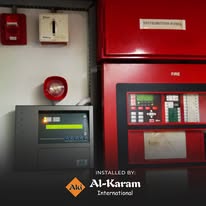
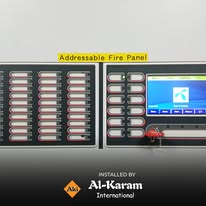
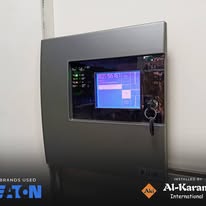
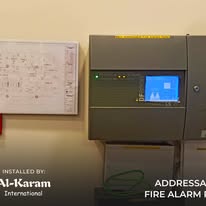
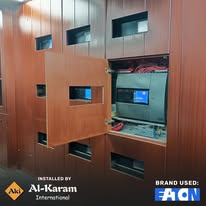
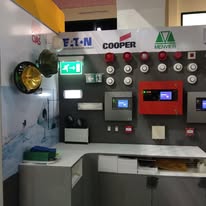
Eaton fire alarm overview featuring warning devices and building fire detection equipment.
Eaton Overview
Eaton publishes power-management equipment including UPS and electrical protection products. This AKI page focuses on defining continuity and protection needs before discussing a model, rather than assuming all power equipment performs the same function.
Solution Areas
Relevant Solutions and Products
UPS and power-continuity enquiries
Electrical protection product requirements
Power control and distribution coordination
Applications and Selection Considerations
IT and telecom loads may need continuity during supply interruptions, while industrial distribution has separate protection and control considerations. Identify the load, required operating period, and the existing electrical arrangement before comparing proposals.
Project Context
Industries and Teams With Relevant Requirements
IT and telecom facilities
Commercial buildings
Industrial operations
How AKI Groups Can Support Your Enquiry
Send the critical-load schedule, backup objective, electrical drawings, and existing equipment references. AKI can discuss load review and product coordination; runtime, ratings, protection settings, and service terms require proposal-specific confirmation.
Manufacturer reference: Eaton product information. This reference does not establish AKI manufacturer authorization or local availability.
How We Help
Practical Support for This Requirement
Electrical protection and control support
UPS and power continuity coordination
Suitable for critical facilities
FAQs
Common Questions
Does a UPS rating establish backup runtime?
No. Runtime depends on the actual load, battery arrangement, and model performance data. Request a calculation for the proposed configuration.
Can power protection be chosen without electrical drawings?
A brand reference is not enough. The responsible engineer needs the system arrangement and project requirements to assess the proposal.
Eaton Gallery
Eaton Fire Alarm Control Panel InstallationEaton CMH Bannu Fire Detection ProjectEaton Recessed Fire Control PanelsEaton Wall Mounted Fire Alarm PanelEaton NUST Health Sciences Fire Alarm ProjectEaton Fire Alarm Touchscreen ControllerEaton Fire System Demonstration DisplayEaton Addressable Fire Alarm PanelEaton Recessed Fire Alarm ControllerEaton Addressable Fire Alarm InstallationEaton Integrated Fire Panel CabinetEaton Interior Fire Alarm ControllerEaton Fire Alarm Detection SystemEaton Emergency Lighting Alarm ExhibitionEaton Power Management Circuit Breaker
Planning a Eaton Product Enquiry
Eaton appears within the AKI Groups website as a reference for power management and fire system references. This page helps a buyer turn a brand-led request into an identifiable product requirement. It does not establish that every catalogue item is available locally or included in a particular quotation. Current equipment and supply details need confirmation for the actual enquiry.
Identify the relevant product area before requesting a technical proposal. Backup power, electrical protection and fire detection have different design inputs and responsibilities. Explain which decision the request supports and provide the project location. An early comparison, a replacement and a scheduled procurement exercise may involve different documents and project participants. Clear context helps the team understand what is already established and what still needs clarification.
Confirming Product Identity and Quantity
Name the exact proposed equipment and corresponding manufacturer document. A brand reference does not establish the model, regional variant or operating configuration. Keep the source description available when discussing the offer. Use photographs to support identification rather than treat them as a complete specification. Any uncertain reference should be recorded as a question for review, instead of being hidden behind a general brand description.
The schedule should distinguish required equipment from optional additions. Ask the offer to name any alternative explicitly. This prevents a familiar manufacturer heading from being mistaken for confirmation that the configuration has remained unchanged. It also makes later technical and commercial comparisons easier to trace.
Project Interfaces and Scope Boundaries
Provide the drawings and current equipment information relevant to the enquiry. Electrical and life safety interfaces each need their appropriate specialist review. Explain restrictions affecting occupied areas, available access or retained systems where these are relevant. The purpose is to help define a practical proposal, not to replace the professional design or assessment that may be needed for the project.
Equipment supply, delivery, installation, configuration, testing and maintenance are separate commercial responsibilities. Ask which are included and which remain with another contractor or the client team. A reference to a manufacturer does not create an automatic commitment to every related service. The written offer should state the actual boundary clearly.
Reviewing the Proposed Offer
Define the application and package boundary. Ask offers to identify actual models and documents rather than rely on a broad product family heading. A price is meaningful when it refers to a clearly identified configuration and a defined supply scope. If several options are offered, request an explanation of the differences in equipment, included work and supporting documents. Unresolved assumptions should remain visible until the responsible parties have reviewed them.
Where procurement requires manufacturer authorisation, ask for current written evidence relevant to the supplier and equipment. A logo or catalogue image does not establish that status. Warranty, delivery and support statements also need confirmation for the particular offer; they should not be assumed to apply universally across a complete product range.
Handover Records and Future Changes
Confirm operating information and agreed support terms for the offered equipment. Retain the final references so future enquiries remain specific and traceable. Identify who will hold the final schedule and supporting documents. If equipment changes during the review process, update the relevant records so later decisions are not based on an earlier option. The accepted technical information should correspond to what the client actually agreed to purchase.
Send AKI Groups the available specification, equipment references and requested scope to begin a Eaton enquiry. Separate items needing a quotation from questions that need identification or technical clarification first. This keeps the discussion connected to a reviewable requirement and provides a useful starting point for confirmation of availability and the appropriate next step.