Explore fire suppression systems in Pakistan with AKI Groups. Discuss protected spaces, system selection, detection interfaces and project quotations.
Fire suppression starts with understanding what needs protection. A server room, a storage area and an industrial process can require different approaches. AKI Groups supports fire suppression system selection and sourcing enquiries in Pakistan. Share the room use, drawings and design requirements to discuss the proposed scope with the project team. System design, installation and commissioning should be handled by qualified specialists.
A suppression system combines protection equipment with controls and a defined response sequence. The proposed approach must suit the hazard, enclosure and occupancy. Selecting a system by room size alone can overlook essential design and operational requirements.
Solution Scope
Systems and Product Requirements
Project-specified suppression equipment and agent requirements
Cylinders, distribution equipment and associated accessories where applicable
Detection and release controls within the approved design
Warning devices and interfaces defined by the project specification
Applications and Project Context
Enquiries may involve technical rooms, electrical spaces or other facilities where a specialist design identifies a suppression requirement. The appropriate method depends on the contents, occupancy and operating conditions of the protected area.
Industries
Where These Requirements Apply
IT and technical facilities
Commercial and institutional buildings
Industrial project environments
Selection Factors
Information to Review Before Selection
Protected-space dimensions and enclosure details
Hazards, occupancy and equipment sensitivity
Approved design and specified agent
Alarm interfaces and commissioning requirements
Inspection and future servicing arrangements
Discuss Your Project With AKI Groups
Provide drawings, room dimensions, the intended use and any consultant specification. Identify whether the enquiry covers a new system, replacement equipment or an extension so compatibility and design responsibilities can be clarified.
Detection, release and alarm interface coordination
FAQs
Common Questions
How are fire suppression systems in Pakistan selected?
A qualified specialist should assess the hazard, enclosure, occupancy and project requirements before specifying equipment and the protection method.
Is suppression the same as a fire alarm?
No. An alarm detects or communicates an event. A suppression system provides a specified fire control response. Their interfaces must be coordinated where the design requires them.
What information is needed for a quotation?
Provide room drawings, dimensions, intended use, consultant specifications and the required supply, installation and testing scope.
Discuss Your Fire Suppression Systems in Pakistan Requirement
Share your project location, drawings, equipment schedule, and intended scope. Contact AKI Groups to discuss selection, sourcing, and coordination needs for your project.
Preparing a fire suppression system enquiries Enquiry
A useful discussion of fire suppression system enquiries begins with preparing a defined suppression requirement for specialist assessment and equipment review. The requirement should describe the result the client needs, rather than just name a product category. For protected rooms, technical facilities and other project-specified hazards, a short written brief helps the reviewing team understand which parts of the project are already defined and which questions still need investigation. This also makes it easier to direct the enquiry to the relevant equipment or service page.
Start with the area use, available layout information, existing system records, project specification and the required assessment scope. If a document is preliminary, identify its status instead of allowing it to be mistaken for an approved construction requirement. Existing equipment information should include complete references wherever they are available. Clear source information is more useful than several disconnected product photographs, because it gives the proposed offer a traceable basis.
Selection and Site Coordination
The main review should address the protected application, proposed system arrangement, equipment evidence and specialist responsibilities. These considerations belong together: an option that appears attractive in a catalogue may create an unresolved installation or operating question. Explain the actual application and ask the proposal to identify the configuration being offered. Where a specialist design or assessment is required, establish who prepares it and what information the client must provide.
Coordination also needs to cover the building fire strategy, detection and control arrangements, protected enclosure and associated site services. Identify the work assigned to other contractors and the information they need from the equipment supplier. An interface left outside everyone's scope can cause delays even when individual products have been selected correctly. For a refurbishment, describe access restrictions, occupied areas and any work that must be completed before equipment can be changed.
Comparing Offers on the Same Basis
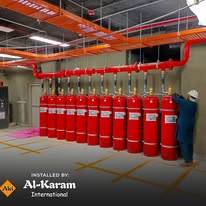
One important point is that a cylinder photograph or a generic suppression label does not establish the agent, design or suitability of a complete system. Write the requirement so competing proposals address the same application and scope. Ask each supplier to state the proposed equipment, the included accessories and the assumptions that affect the offer. A shorter list of clearly identified items is usually easier to assess than an apparently complete package with uncertain boundaries.
The supporting submission should include system-specific technical submissions, complete equipment references and the agreed specialist design and acceptance records. Review document revisions as well as product names. If an alternative is proposed, ask how it meets the relevant requirement and what other changes it introduces. Do not treat an unlabelled alternative, a generic catalogue page or a broad brand reference as confirmation that the equipment offered is identical to the specified item.
Installation, Records and Continuing Use
Before an order is finalised, clarify the documented package boundary and responsibility for inspection, maintenance information and future changes. Discuss the information the client expects to receive, who verifies the agreed scope and which matters remain with the project team. Supply, installation, testing and maintenance are separate responsibilities unless the written offer brings them together. A product category page does not create an automatic commitment to every one of those services.
Keep the approved equipment schedule with the project documents. When a future replacement or extension is considered, those records help the reviewing team understand what was actually proposed and supplied. Any change in application, operating conditions or connected equipment should be explained in the next enquiry. A clear history reduces reliance on assumptions and helps the responsible specialist review the new requirement in context.
Can an existing suppression system be expanded from a photograph?
No. A specialist needs the actual installation records and application information. Photographs can support identification but do not replace a review of the system design and proposed change. For fire suppression system enquiries, AKI Groups can use the information in your enquiry to discuss the relevant published references and the proposed next step. Ask for current availability, exact equipment identification and the requested commercial scope to be confirmed in writing. Share the project location and the document package so the enquiry can be reviewed against a practical requirement rather than a category name alone.